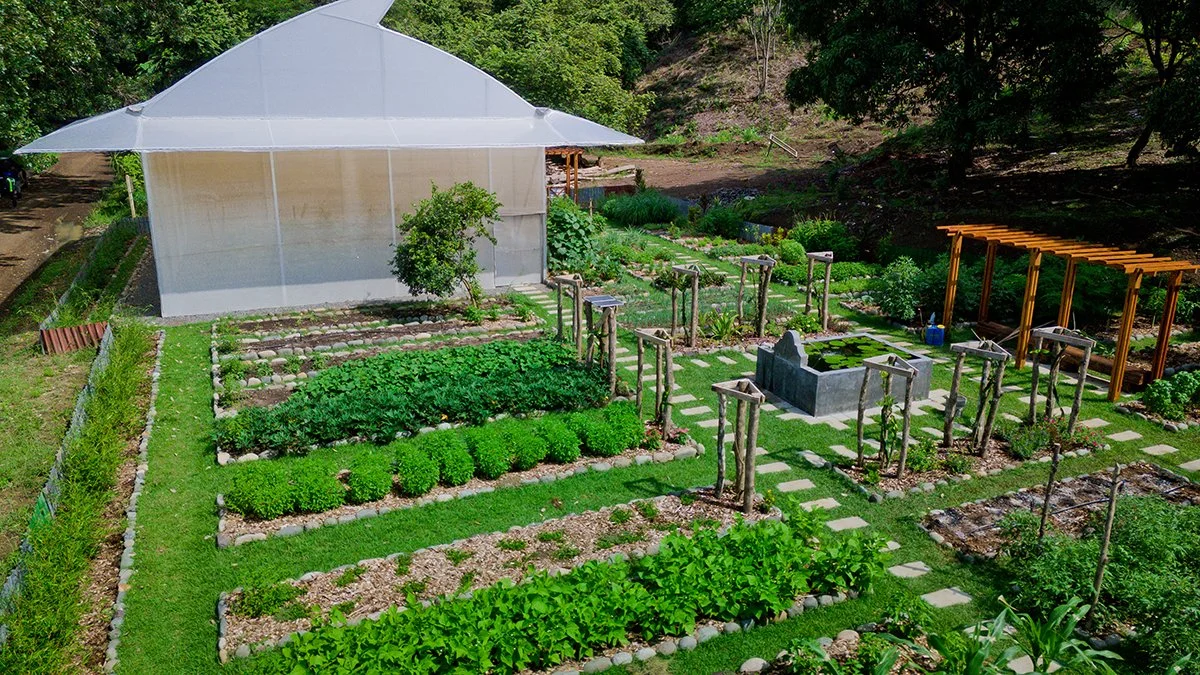
Traditional gardens need constant watering, feeding, and weeding, while a permaculture garden flips that relationship. Instead of fighting nature, you arrange your garden to follow the rules of a healthy ecosystem.
Permaculture comes from “permanent agriculture.” It starts with assessing your land and understanding where the water runs, where the sun lands, and where the wind comes through. From there, you design your plot so each element is complementary and does more than one job. Trees shade the soil, feed the birds, and drop leaves that become compost. Their shade protects plants that need less sun, and those plants in turn help feed the tree.
Why it matters
Conventional farming often depends on tilled soil, synthetic inputs, and fuel, which can leave soil tired and waterways polluted. Permaculture systems build healthy soil, hold water in the land, and welcome pollinators and fungi as partners.
What is a food forest?
A food forest is permaculture at its fullest expression: a garden designed to function like a young woodland, where nearly everything is edible or useful.
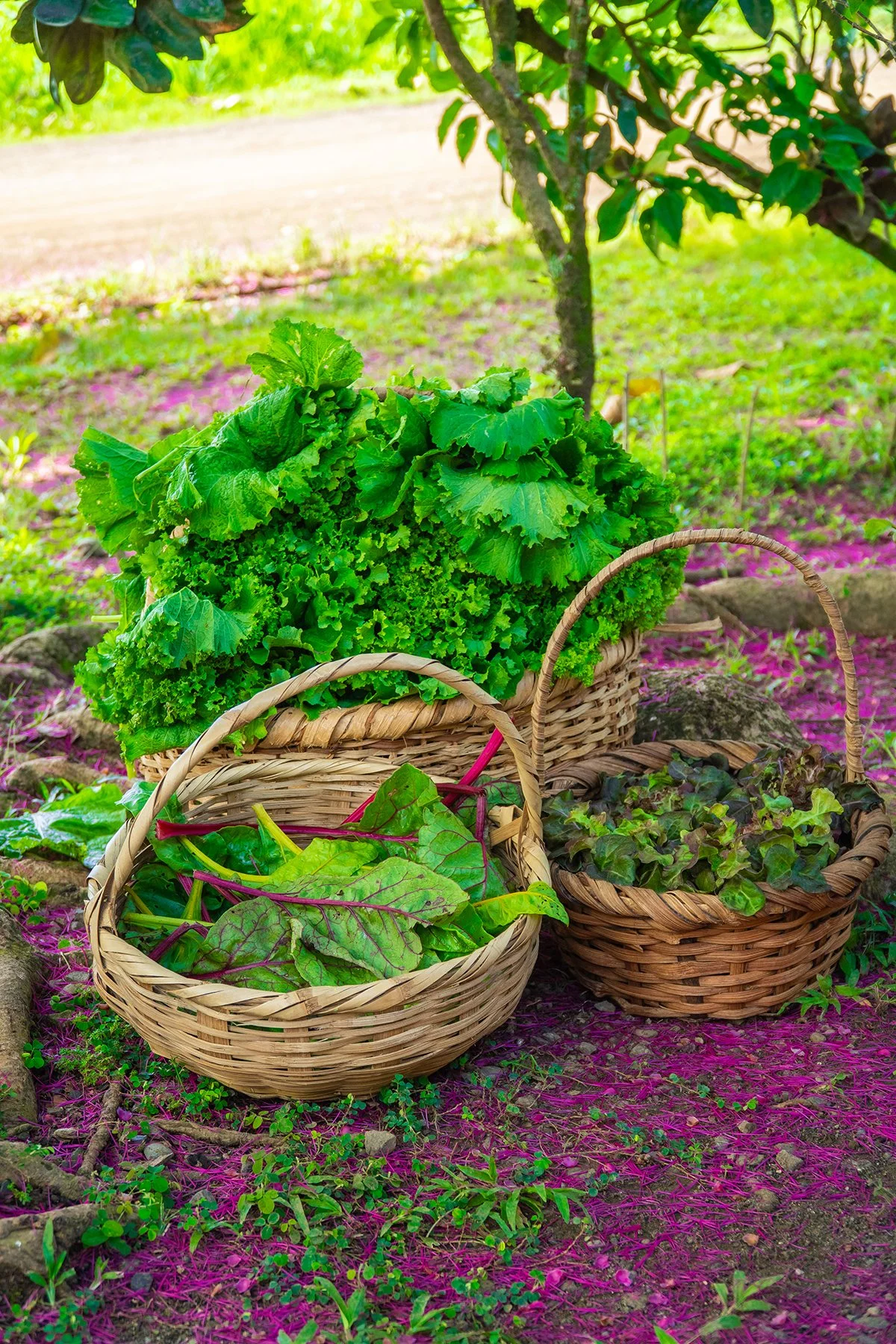
Food forests are set up in layers. Tall fruit and nut trees form the canopy, with smaller trees like plums or figs beneath. Berry bushes, herbs, and perennial vegetables fill the middle, and groundcovers like clover protect the soil. Legumes such as beans feed their neighbors by enriching the soil.
The result is a garden that largely maintains itself, produces food across the seasons, and shelters wildlife. It takes a few years to establish, then asks far less than a vegetable plot.
Where travel comes in
Sustainable travel has long meant doing less harm: using fewer towels, choosing organic produce, and leaving no trace. Those habits are a start, but they are not the end of what we can do. Regenerative travel concentrates on choosing destinations, modes of travel, and lodging that leave the place better because of your visit.
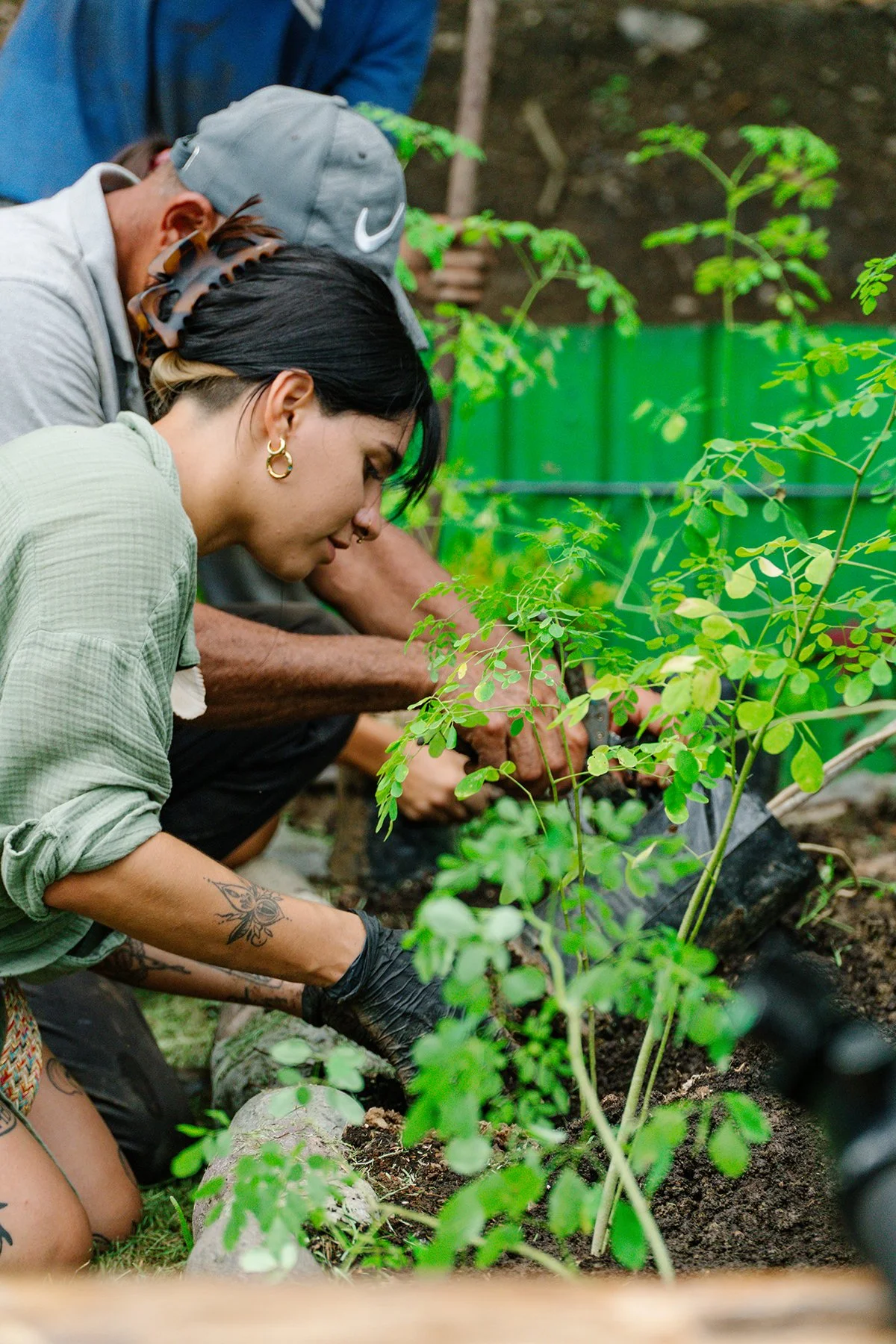
In practice, that means staying at properties that restore native habitat, grow their own food, hire and train local people, and invest in the community around them. Picture a food forest at a retreat: guests taste what the land produces and leave having been part of something that keeps growing.
Why it is the way forward
Regenerative travel creates a real connection to a place and its people, and it protects the landscapes and cultures that make that place unique and special. A destination that is cared for stays beautiful, and a community that benefits from visitors welcomes them warmly.
Start where you are
When choosing a destination, investigate where the food comes from, get curious about what they do for their community, and ask what practices they have in place to preserve the culture and environment you are visiting. When you are at home, plant a fruit tree, put in a patch of perennial herbs, find a community garden, or start a compost pile. Each small step we take together makes an extraordinary difference for the whole.
Taste What the Land Gives Back
At Surf Synergy, regenerative travel is part of every stay. Our permaculture garden grows produce for our kitchen and wellness programs, and what we can’t grow we source from nearby farmers and fishers. We employ more than 30 local people year-round, spend over $500,000 a year with local suppliers, and partner with community organizations like Jacó Impact to give back to the place we call home.