
The Complete SUP Training Guide for All Levels
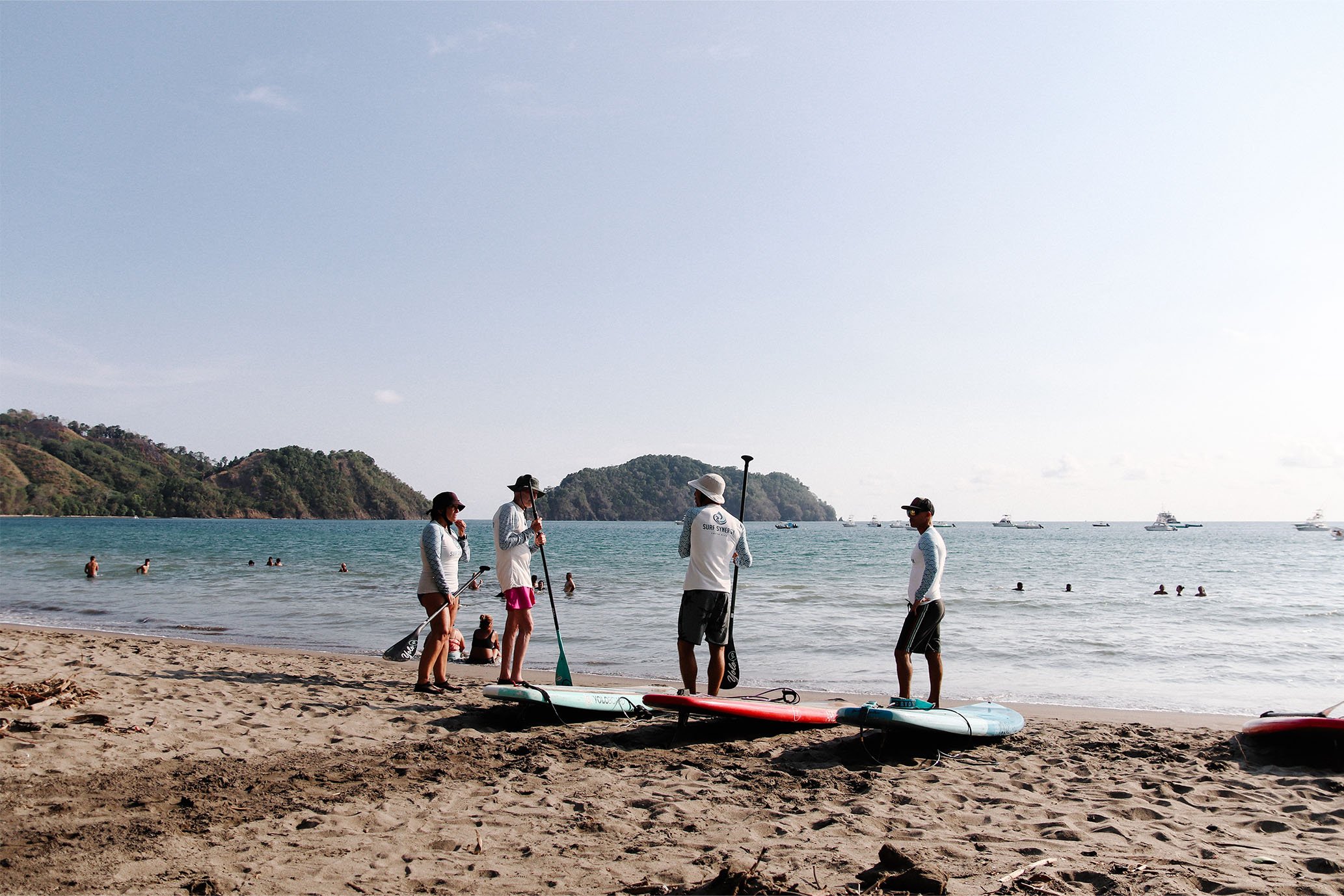
Stand-up paddleboarding is more than a sport; it’s a practice that restores connection. The act of finding your balance on the water, propelled by your own strength, creates a powerful link between your body, your mind, and the natural world. The true value of SUP training lies in its holistic effect on your well-being, strengthening this very connection. It’s an opportunity to quiet the noise, move with intention, and experience the warm Pacific from a new perspective. This unique blend of physical effort and mindful presence is what makes it a truly transformative part of any wellness journey, preparing you for a deeper communion with the water.
Key Takeaways
- Build Your Foundation on Land: Your confidence on the water begins with intentional off-board training. Focus on core strength for power, balance drills for stability, and flexibility to create a resilient body ready for paddling.
- Embrace a Holistic Practice: Stand-up paddleboarding is more than a workout; it's a way to connect mind and body. This combination of low-impact fitness and mindful presence on the water helps reduce stress and creates a truly restorative experience.
- Train with Intention: Sustainable progress comes from a balanced and personalized plan. Tailor your routine to your skill level, prioritize recovery to prevent burnout, and focus on refining your technique for a more powerful and graceful paddle stroke.
Why Train for Stand-Up Paddleboarding?
Gliding across the calm surface of the Pacific, with the lush Costa Rican coastline in view, stand-up paddleboarding feels like a meditation in motion. While it appears effortless, the grace and stability you see in experienced paddlers come from a deep connection between mind, body, and water. This connection isn’t accidental; it’s cultivated through intentional preparation. Training for SUP isn’t about adding another task to your to-do list. It’s about preparing your body to fully embrace the experience, allowing you to move with confidence and be truly present in your surroundings.
By dedicating time to off-the-water conditioning, you build a resilient physical foundation that directly translates to your performance on the board. It’s a holistic practice where strengthening your core, refining your balance, and conditioning your body for endurance become acts of self-care. This preparation allows you to move beyond simply trying not to fall and instead focus on the rhythm of your paddle, the warmth of the sun, and the gentle movement of the ocean. It transforms the activity from a physical challenge into a restorative practice, deepening your enjoyment and connection to the water.
Build a Strong Foundation for Success
Stand-up paddleboarding engages nearly every muscle in your body, from the large muscles in your back and shoulders to the small, stabilizing muscles in your core and legs. A dedicated training plan focuses on developing this integrated strength. The goal is to build a powerful core, which acts as your center of gravity and the source of your paddling power. Consistent training also improves your cardiovascular endurance, allowing you to paddle farther and explore more of the coastline without fatiguing. This physical readiness is the bedrock of your practice, creating a body that is both strong and resilient for the unique demands of SUP.
Connect Training with Confidence on the Water
The feeling of unsteadiness is a familiar part of learning to SUP. The work you do on land is what quiets that wobble and replaces it with a sense of groundedness on the board. When you feel stable, your focus shifts from your feet to the horizon. You can breathe more deeply, refine your paddle technique, and truly absorb the beauty around you. This confidence is what makes the entire Surf Synergy experience so transformative. It’s the key that allows you to feel at one with your board, moving with the water instead of fighting against it, turning a simple paddle into a graceful and empowering journey.
The Four Pillars of Effective SUP Training
A truly effective stand-up paddleboarding practice is built on a foundation of four interconnected pillars. Approaching your training with these elements in mind creates a balanced, holistic system that supports your progress on the water. Rather than focusing on just one area, this integrated approach ensures you develop the strength, stability, and stamina needed for graceful, powerful paddling. It’s about preparing your body on land so you can feel completely free and confident once you step onto your board.
Develop Your Core Strength
Your core is the quiet center from which all powerful movements originate on the board. It’s the link between your paddle and your board, transferring energy with every stroke. A strong, stable core is what allows you to maintain your balance through choppy water and generate force without relying solely on your arms. To build this foundational strength, you can integrate simple yet powerful exercises into your routine. Movements like planks, bird dogs, and Russian twists are incredibly effective for creating the stability that translates directly to a more confident stand-up paddleboarding practice. This isn't about building bulk; it's about cultivating a deep, functional strength that supports every movement you make.
Improve Balance and Stability
Balance is both a physical skill and a state of mind. On the water, it’s the key to feeling steady and secure. Improving your stability on land is one of the most direct ways to find more confidence on your board. You can simulate the board’s dynamic movement by training with tools like BOSU balls or balance boards, which challenge your body to make constant micro-adjustments. Practices like yoga are also essential, as they teach you to find your center and move with intention. This focus on holistic wellness not only enhances your SUP skills but also cultivates a deeper connection between mind and body, allowing you to move with greater ease and grace.
Build Cardiovascular Endurance
Endurance is what allows you to turn a short paddle into a true exploration. Building your cardiovascular fitness means you can paddle longer, explore further down the coastline, and handle more challenging conditions without fatiguing. Stand-up paddleboarding is a fantastic full-body workout that strengthens your heart and improves circulation. To prepare for longer sessions, focus on strengthening the key muscles that power your stroke. Exercises like single-arm rows, push-ups, and pull-ups build endurance in your shoulders, back, and arms, giving you the stamina to paddle with consistent power and enjoy every moment of your time on the water.
Enhance Flexibility and Mobility
Flexibility is what allows for a fluid, efficient paddle stroke and helps prevent injury. When your body is mobile, you can move through a greater range of motion, reaching further with your paddle and rotating through your torso for a more powerful pull. Tightness in your hips, shoulders, or back can restrict your movement and lead to poor form. Incorporating a consistent stretching routine is key. Simple practices like foam rolling your calves and stretching your hip flexors and lats will prepare your body for the upright, athletic posture required for SUP. This focus on recovery and mobility ensures your body feels as good after your paddle as it does during.
What Exercises Should You Add to Your SUP Routine?
A thoughtful training routine prepares your body for the unique demands of stand-up paddleboarding, creating a deeper connection between your movements and the water. By focusing on a few key areas on land, you can build the strength, stability, and resilience needed to feel confident and graceful on your board. These exercises are designed not just to improve performance, but to enhance your entire experience, allowing you to paddle longer and connect more fully with the rhythm of the ocean.
Core Strengthening on Land
Your core is the center of your power and stability on a paddleboard. It’s the anchor that connects your paddle strokes to the board, allowing for efficient movement and solid balance. To build this foundation, integrate exercises that challenge your deep abdominal and back muscles. Planks are a classic for a reason, building incredible endurance, while bird dogs improve coordination between your limbs and torso. For a dynamic challenge, Russian twists engage your obliques, which are essential for powerful paddling. A consistent core training practice is one of the most direct ways to find more stability on the water.
Balance and Stability Drills
Stand-up paddleboarding is a constant conversation with an unstable surface. You can prepare for this by training your balance on land. Using tools like a BOSU ball or a balance board helps awaken the small stabilizing muscles in your ankles and legs, mimicking the feeling of the water beneath you. This practice translates directly to a feeling of grounded confidence on your board. Integrating yoga into your routine is another beautiful way to cultivate balance. The focus on single-leg poses and mindful transitions is a perfect complement to your time on the water, creating a holistic sense of wellness and physical awareness that you’ll carry with you.
Paddling-Specific Strength Training
Efficient paddling is about more than just arm strength; it’s a full-body movement that starts in your back and shoulders. Building strength in these key areas will give you more power and endurance for longer paddles. Exercises like single-arm rows are fantastic for targeting the lat muscles, which are the primary drivers of a strong paddle stroke. Push-ups and pull-ups build overall upper-body strength that supports every movement you make. As you progress, you can explore more advanced paddle board techniques that rely on this foundational strength, allowing you to move across the water with greater speed and less effort.
Flexibility and Recovery Stretches
A truly effective training plan honors the need for rest and recovery. Flexibility is key to maintaining a healthy range of motion and preventing injury. The upright posture of paddleboarding can lead to tightness in certain areas, so dedicating time to stretching is essential. Use a foam roller to release tension in your calves and lats after a long session. Gentle stretches for your hip flexors and shoulders will counteract the effects of paddling and help you feel open and renewed. This mindful approach to recovery ensures your body is ready for your next adventure on the water, keeping you feeling fluid and capable.
How to Tailor SUP Training to Your Skill Level
Stand-up paddleboarding is a personal journey, and your training should reflect where you are on that path. A routine that challenges a beginner might feel too simple for an advanced paddler, while advanced techniques can be overwhelming without a solid foundation. By tailoring your training to your current skill level, you create a sustainable practice that fosters growth, prevents injury, and deepens your connection to the water. This approach allows you to build confidence step-by-step, ensuring every session is both productive and renewing. It’s about meeting yourself where you are and moving forward with intention.
Training for Beginners
Focus on the fundamentals. If you're new to stand-up paddleboarding, your primary goal is to build comfort and confidence on the board. Start by mastering the basics: holding the paddle correctly, finding your balance, and executing a simple forward stroke. It’s also essential to prioritize safety from day one. Always use a leash and wear a personal flotation device (PFD) to stay safe in the water. Don't worry about speed or complex maneuvers; instead, focus on creating a stable base. Understanding a few common beginner mistakes can help you avoid frustration and progress more smoothly, allowing you to find your rhythm on the water.
Progressing as an Intermediate Paddler
Once you feel stable on the board, it's time to refine your technique and expand your skills. This stage is about building consistency and efficiency. Falling off the board is a natural part of the learning process, so embrace it as an opportunity to grow. You can work on turning techniques, paddling in different water conditions, and increasing your endurance. To improve your stability, incorporate balance-focused exercises into your routine. Practices like yoga or using a balance board on land can translate directly to better control on the water. This is where you transform foundational skills into a fluid, confident paddling practice.
Optimizing for Advanced Performance
For the experienced paddler, training shifts toward optimization and mastery. This is where you fine-tune your technique for greater speed, power, and efficiency. Advanced training involves perfecting your paddle stroke to generate maximum propulsion with minimal effort and learning to read the water with greater nuance. You can explore more challenging disciplines like SUP surfing or racing, which demand a higher level of skill and fitness. Mastering these advanced SUP techniques requires dedication, but the reward is a deeper, more dynamic connection with your board and the ocean. It’s about pushing your boundaries and discovering your full potential.
How to Monitor Your Intensity
Effective training isn't just about pushing hard; it's about training smart. Learning to listen to your body is one of the most valuable skills you can develop. Pay attention to your rate of perceived exertion (RPE), which is how hard you feel your body is working. This internal feedback is often more valuable than data from any device. A balanced routine includes days of high intensity, moderate effort, and active recovery. Working with an expert can provide personalized guidance and help you interpret your body's signals. A coach can tailor your training levels to your specific goals, ensuring you progress safely and effectively.
The Holistic Benefits of SUP Training
Stand-up paddleboarding is more than a sport; it’s a practice that restores connection. The act of finding your balance on the water, propelled by your own strength, creates a powerful link between mind, body, and the natural world around you. While the physical rewards are undeniable, the true value of SUP training lies in its holistic effect on your well-being. It’s an opportunity to quiet the noise, move with intention, and experience the warm Pacific waters from a new perspective. This unique blend of physical effort and mindful presence is what makes it a truly transformative part of any wellness journey.
Achieve Full-Body Fitness
Paddleboarding is a remarkably comprehensive workout that engages your entire body in a single, fluid motion. To stay stable on the board, you’ll constantly activate your core, legs, and back muscles. Each paddle stroke then works your arms, shoulders, and chest, building functional strength and endurance. Unlike repetitive gym exercises, SUP training feels dynamic and purposeful. You’re not just working out; you’re propelling yourself across the water, exploring the coastline. This consistent, low-resistance movement also improves cardiovascular health, strengthening your heart and lungs while you soak in the serene ocean environment. It’s a beautiful way to build a strong, resilient body.
Support Mental Wellness and Reduce Stress
There is a certain peace that comes from being on the water, and stand-up paddleboarding offers a direct path to it. The rhythmic nature of paddling can be deeply meditative, allowing your mind to settle as your body finds its flow. Gliding across the calm surface, with only the sound of your paddle dipping into the water, helps dissolve stress and create a lasting sense of tranquility. Being immersed in nature this way has a profound effect on mental clarity. The combination of gentle physical exertion and the expansive ocean view offers a reset for your nervous system, leaving you feeling centered and renewed long after you’ve returned to shore.
Embrace a Low-Impact Workout
One of the most significant advantages of SUP is that it’s incredibly gentle on the body. Because you’re floating on water, there is virtually no impact on your joints, making it an ideal activity for all ages and fitness levels. It’s a perfect form of cross-training for surfers and other athletes, allowing you to build strength and stability without the strain of high-impact exercises like running. This makes it a sustainable practice you can enjoy for years to come. For those recovering from an injury, SUP can be a therapeutic way to re-engage muscles and carefully rebuild strength in a supportive, controlled environment.
Find Your Community on the Water
While paddling can be a beautiful solo practice, it’s also an incredible way to connect with others. Sharing the experience of exploring the water creates a natural sense of camaraderie and shared discovery. Paddling alongside friends, family, or fellow travelers builds bonds that extend beyond the board. At Surf Synergy, our guided SUP excursions offer a chance to explore Costa Rica’s stunning coastline as part of a small, intimate group. These shared adventures become a core part of the resort experience, fostering a genuine sense of community among guests who are all there to connect, grow, and explore together.
How to Create an Effective SUP Training Schedule
A consistent training schedule is your map to progress, turning intention into tangible skill on the water. The most effective plans are not rigid, but fluid, designed to build strength and endurance while honoring your body’s need for rest. It’s about creating a sustainable rhythm that feels less like a routine and more like a ritual. By thoughtfully structuring your time on and off the water, you create a foundation for deeper connection with your board, the ocean, and yourself. This approach allows you to show up for every session feeling strong, present, and ready to paddle.
Structure Your Weekly Plan
A well-rounded week of SUP training blends different levels of intensity to build a strong aerobic base. Most of your progress will come from training at a moderate to challenging pace, where you can feel your heart rate rise but can still hold a rhythm. Plan for two to three of these higher-intensity sessions per week, which could be interval training or a steady, powerful paddle. Complement these with one or two longer, more relaxed paddles at a conversational pace. This combination builds both stamina and strength, creating a balanced foundation for your practice. Understanding different SUP training levels can help you structure these sessions with intention.
Balance Water Time with Land-Based Training
Your strength and stability on the board begin on land. Stand-up paddleboarding is a full-body activity that calls on constant, subtle adjustments to maintain balance, and dedicated land-based training makes these movements feel intuitive. Incorporating exercises that target your core, improve balance, and build functional strength will directly translate to more power in your stroke and greater confidence on the water. Our approach to holistic wellness integrates practices like yoga and targeted strength work, which are essential for creating a resilient body ready for any conditions the ocean offers. Think of it as building your anchor, so you can flow with the water more freely.
Prioritize Recovery and Rest
Progress isn’t just made during your workouts; it’s solidified during periods of rest. Recovery is an active part of any effective training schedule, allowing your muscles to repair and grow stronger. This can mean incorporating active recovery, like a gentle, easy paddle after a difficult interval session, to help your body cool down. It also means scheduling complete rest days. Use this time for restorative practices like stretching, foam rolling, or simply enjoying our nourishing, farm-to-table cuisine designed to refuel your body. Listening to your body and giving it the downtime it needs is crucial for preventing injury and sustaining your passion for paddling long-term.
Adjust Your Routine Seasonally
Your training schedule should be a living document, one that adapts to your evolving skills, goals, and even the changing seasons. As you become more comfortable on the water, you may find yourself drawn to new challenges. Perhaps you’ll focus on improving your turning technique in the calm summer months or building raw power and endurance during the off-season with more land-based training. Learning to master advanced SUP techniques is a long-term pursuit, and your training should reflect that journey. Allowing your routine to shift seasonally keeps your practice engaging and ensures you’re always moving toward your next milestone.
Common SUP Training Mistakes to Avoid
Your progress on the water is often defined not just by what you do, but by what you choose to avoid. Stand-up paddleboarding is a practice of awareness, and that awareness extends to the common habits that can hold you back. Approaching your training with intention means recognizing these potential pitfalls and gently steering yourself toward a more sustainable, effective path. This isn't about perfection; it's about creating a practice that feels as good as it looks, one that nourishes you long after you’ve returned to shore. By sidestepping these common errors, you create space for true growth, allowing your connection to the board, the paddle, and the water to deepen in a meaningful way. It’s how you build a foundation that supports you for years of paddling, ensuring every session leaves you feeling stronger and more centered than the last.
Prevent Overtraining and Burnout
More is not always better, especially when it comes to time on the water. Pushing your body past its limits or heading out in conditions you aren’t prepared for can quickly turn a restorative paddle into a stressful one. True progress comes from consistency, not intensity alone. Listen to your body’s cues for rest. Before each session, create a small ritual of checking your equipment: ensure your board is properly inflated, your leash is secure, and your paddle is adjusted. This mindful check-in grounds you in the present moment and honors the dynamic nature of the ocean, preventing burnout and keeping your practice safe and joyful.
Correct Technique to See Progress
Effective paddling is a full-body movement, a graceful dance between you and the water. One of the most frequent mistakes is relying solely on arm strength, which leads to quick fatigue and inefficient strokes. Instead, focus on engaging your core. Your power should originate from your torso as you twist and reach, using your larger back and abdominal muscles to pull the paddle. Your stance is also key; standing too far forward makes the board feel unstable. Find the sweet spot near the board’s center handle. With personalized 1:1 coaching, you can refine these details and transform your stroke from a simple push to a powerful, fluid motion.
Don't Skip Recovery and Flexibility
What you do off the water is just as crucial as what you do on it. Neglecting recovery and flexibility can lead to stiffness and injury, limiting your potential. Your body needs time to repair and adapt, so integrating rest days and gentle stretching is essential for long-term progress. This holistic approach extends to your equipment; an under-inflated board, for example, will feel unstable and make balancing much harder. Complement your paddling with practices like yoga or dedicated mobility work. This focus on holistic wellness not only improves your balance and range of motion but also cultivates a deeper mind-body connection that translates directly to your confidence on the board.
Deepen Your SUP Practice
Moving beyond the mechanics of training opens a more profound connection to stand-up paddleboarding. When you combine physical conditioning with mindful intention and expert guidance, your time on the water becomes a true practice. This is where you find your flow and connect with the rhythm of the ocean. Focusing on personalized coaching, a holistic mindset, and your environment transforms your relationship with the board and the water, creating a practice that nourishes you from the inside out.
The Impact of 1:1 Coaching
Personalized guidance is one of the most effective ways to refine your SUP practice. Unlike group classes, 1:1 coaching offers tailored feedback on your specific habits and goals. An expert coach can correct subtle inefficiencies in your paddle stroke, improve your footwork for better stability, and teach you how to read the water with confidence. This dedicated attention helps you progress more intentionally, building a strong technical foundation. Following standards from organizations like the Professional Stand Up Paddle Association ensures you receive guidance that is both safe and effective, allowing you to feel more capable with every glide.
Integrating a Holistic Wellness Approach
Stand-up paddleboarding is a beautiful example of holistic movement. It’s a comprehensive workout that strengthens your core and improves cardiovascular health, but the benefits extend beyond the physical. Balancing on water, surrounded by nature, calms the nervous system and encourages mindfulness. The rhythmic motion of your paddle can become a moving meditation, quieting your mind and fostering presence. We believe in this powerful connection, which is why our holistic wellness program complements every activity with opportunities for rest, nourishment, and mental clarity for a truly restorative experience.
Why Your Training Environment Matters
The setting where you paddle profoundly shapes your experience. Practicing in a calm, supportive environment allows you to focus on technique and connect with your surroundings. The warm, gentle waters of Costa Rica’s Pacific coast provide an ideal classroom for all levels. Before any session, it’s essential to be aware of your environment and avoid common paddleboarding mistakes by ensuring your equipment is ready. A quick check of your board, leash, and paddle creates a foundation of safety that allows for true relaxation. This awareness is key to the practice, turning a simple paddle into a serene communion with nature.
Related Articles
- 5 Essential Tips to Elevate Your Surf and SUP Experience
- Training with SUP Champion in Costa Rica
- The Ultimate Guide to Costa Rica Surf and SUP
- The 8 Best Vacation Spots to Learn to Surf
Frequently Asked Questions
I'm a complete beginner. Do I really need to train before I try paddleboarding? Think of training less as a requirement and more as a way to prepare yourself to fully enjoy the experience. While you can certainly learn without prior conditioning, a little preparation on land builds confidence that translates directly to the water. By strengthening your core and practicing your balance beforehand, you spend less time feeling unsteady and more time connecting with the rhythm of the ocean and the beautiful Costa Rican scenery around you.
What if I don't have access to a gym or special balance equipment? You don't need any special equipment to build a strong foundation for paddleboarding. Many of the most effective exercises rely on your own bodyweight. Simple movements like planks, yoga poses (such as tree pose), and bird dogs are incredibly powerful for developing the core strength and stability you need on the board. The goal is to cultivate a deeper connection with your body's center of gravity, a practice you can do anywhere.
How much time should I dedicate to training each week to see a difference? Consistency is more important than intensity. Dedicating 20 to 30 minutes to a few focused sessions two or three times a week can make a significant impact. A balanced approach might include two days of core and strength work and one day dedicated to flexibility or a yoga practice. The key is to listen to your body and create a sustainable rhythm that feels restorative, not draining.
Is SUP training a good option if I have sensitive joints? Absolutely. Stand-up paddleboarding is a wonderful low-impact activity because the water supports your body, removing the strain that can come from exercises like running. The fluid motion of paddling and the constant engagement of your stabilizing muscles can actually help support your joints by strengthening the muscles around them. It's a way to build full-body fitness in a gentle, therapeutic environment.
Will this training help with surfing as well? Yes, the two practices are deeply connected. The core strength, balance, and paddle power you develop for SUP are the same foundational skills needed for surfing. Training for paddleboarding builds your overall water awareness and endurance, which makes paddling out to catch a wave feel much more intuitive. It’s a holistic way to prepare your body for any experience the ocean has to offer.
